
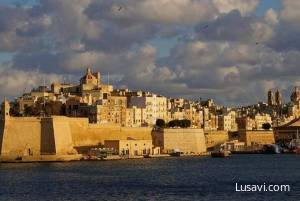
Malta: guida completa per scoprire l’arcipelago del Mediterraneo
Malta è una destinazione che sorprende per la sua varietà: un arcipelago compatto capace di offrire mare cristallino, città fortificate, siti archeologici antichissimi e una vivace vita culturale. Grazie al clima favorevole, all’uso dell’euro e alla diffusione dell’inglese, è una meta ideale sia per brevi soggiorni che per vacanze più lunghe.
Informazioni generali e storia
La Repubblica di Malta si trova nel Mar Mediterraneo centrale, tra la Sicilia e la costa nordafricana. L’arcipelago è composto da Malta, Gozo e Comino, oltre a isolotti minori disabitati. Malta ha una popolazione di circa mezzo milione di abitanti ed è uno degli Stati più densamente popolati d’Europa.
La sua storia è straordinariamente ricca: dai Fenici ai Romani, dagli Arabi ai Cavalieri di San Giovanni, fino al periodo britannico conclusosi nel 1964 con l’indipendenza. Ogni dominazione ha lasciato tracce visibili nell’architettura, nella lingua e nelle tradizioni locali.
Lingua, moneta e documenti
Le lingue ufficiali sono il maltese e l’inglese. L’italiano è compreso da una buona parte della popolazione, soprattutto tra le generazioni più adulte. La moneta è l’euro e per i cittadini dell’Unione Europea è sufficiente la carta d’identità valida per l’espatrio.
Regole del traffico e trasporti
A Malta si guida a sinistra, come nel Regno Unito. Le cinture di sicurezza sono obbligatorie e l’uso del cellulare alla guida è severamente vietato. Il limite alcolemico è di 0,8 g/l, ma per i neopatentati è più restrittivo.
Il sistema di autobus collega gran parte dell’isola ed è una soluzione economica per i turisti. Tuttavia, per esplorare spiagge remote o Gozo in autonomia, il noleggio auto può risultare più pratico. I traghetti collegano regolarmente Malta a Gozo e Comino.
Cosa vedere a Malta
- La Valletta, capitale e patrimonio UNESCO, è un vero museo a cielo aperto. Tra i luoghi imperdibili spiccano la Concattedrale di San Giovanni, il Palazzo del Gran Maestro e i Giardini Barrakka con vista sul Grand Harbour.
- Mdina, conosciuta come la “Città Silenziosa”, affascina con le sue mura medievali e le stradine strette. Rabat, adiacente a Mdina, ospita catacombe e siti archeologici di grande interesse. Le Tre Città – Vittoriosa, Senglea e Cospicua – raccontano la Malta più autentica e meno turistica.
- Da non perdere i templi megalitici di Ħaġar Qim, Mnajdra e Tarxien, considerati tra le strutture più antiche al mondo.
Mare, spiagge e natura
Malta è famosa per le sue acque limpide, ideali per nuoto, snorkeling e immersioni. Le spiagge sabbiose più amate si trovano nella parte nord dell’isola, come Mellieħa Bay e Golden Bay. Le calette rocciose, come St. Peter’s Pool, offrono panorami spettacolari.
Comino è celebre per la Blue Lagoon, mentre Gozo si distingue per un ambiente più verde e rilassato, perfetto per trekking, escursioni e immersioni.
Vita notturna e divertimento
St. Julian’s e Paceville rappresentano il centro della vita notturna maltese, con discoteche, pub e locali aperti fino all’alba. Sliema offre un’atmosfera più elegante, con ristoranti, lounge bar e negozi.
Cucina e specialità gastronomiche
La cucina maltese riflette la sua posizione geografica e la sua storia. Il piatto nazionale è il fenek, coniglio cucinato in umido o fritto. I pastizzi sono lo snack più popolare, reperibile ovunque a basso costo.
Molto diffusi anche i piatti a base di pesce fresco, zuppe come l’aljotta e formaggi locali come la ġbejna. Tra i dolci tradizionali si trovano dessert a base di datteri, miele e mandorle.
Eventi e tradizioni
Durante l’anno, Malta ospita numerose feste religiose di paese, caratterizzate da processioni, musica e spettacolari fuochi d’artificio. In estate si svolgono festival musicali e culturali di richiamo internazionale.
Costi e consigli pratici
Malta offre soluzioni adatte a diversi budget. Mangiare fuori è generalmente conveniente e l’offerta di alloggi spazia da hotel di lusso a appartamenti e guesthouse. È consigliabile prenotare in anticipo nei mesi estivi.
Il paese è considerato sicuro per i turisti, ma è sempre bene prestare attenzione nelle zone affollate e durante la notte.
Quando visitare Malta
Il periodo migliore per visitare Malta è la primavera e l’autunno, quando il clima è piacevole e i prezzi più contenuti. L’estate è perfetta per il mare, ma più affollata e calda. L’inverno, mite, è ideale per turismo culturale e passeggiate.
Conclusione
Malta è una meta completa e versatile, capace di soddisfare chi cerca relax, cultura, avventura o divertimento. La combinazione di storia millenaria, mare spettacolare e accoglienza mediterranea la rende una destinazione sempre più apprezzata dai viaggiatori di tutto il mondo.