
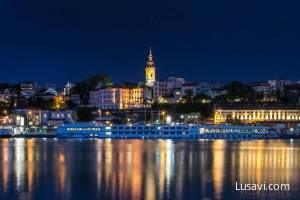
Viaggiare in Serbia: guida completa
La Serbia è una destinazione ancora poco esplorata dal turismo di massa, ma ricca di fascino, cultura e tradizioni. Situata nel cuore dei Balcani, offre città vivaci, paesaggi naturali spettacolari e una gastronomia sorprendente. In questa guida completa scoprirai tutto ciò che serve sapere per organizzare un viaggio in Serbia.
Informazioni generali sulla Serbia
La Serbia è uno Stato dell’Europa sud-orientale, senza sbocco sul mare, confinante con Ungheria, Romania, Bulgaria, Macedonia del Nord, Croazia, Bosnia ed Erzegovina e Montenegro.
- Capitale: Belgrado
- Lingua ufficiale: Serbo
- Valuta: Dinaro serbo (RSD)
- Documenti: Carta d’identità valida per l’espatrio o passaporto
- Fuso orario: stesso dell’Europa centrale
La popolazione è nota per la sua ospitalità e cordialità, rendendo il viaggio particolarmente piacevole anche per chi visita il paese per la prima volta.
Regole stradali in Serbia
Se si decide di viaggiare in Serbia in auto, è importante conoscere alcune regole fondamentali:
- Guida a destra
- Cinture di sicurezza obbligatorie per tutti i passeggeri
- Luci anabbaglianti obbligatorie anche di giorno
- Limiti di velocità:
- 50 km/h nei centri urbani
- 80 km/h fuori città
- 100 km/h sulle strade extraurbane principali
- 130 km/h in autostrada
- Tasso alcolemico massimo: 0,2 g/l
Le autostrade sono a pedaggio e generalmente in buone condizioni. È consigliabile avere contanti o carta per il pagamento.
Cosa vedere in Serbia
La Serbia offre un mix perfetto tra cultura, storia e natura. Ecco alcune delle attrazioni principali:
Belgrado
La capitale è una città vibrante, famosa per la sua vita notturna e per il mix di architetture. Da non perdere la Fortezza di Kalemegdan e il quartiere Skadarlija.
Novi Sad
Situata sul Danubio, è una città elegante e rilassata, famosa per il festival musicale EXIT e la Fortezza di Petrovaradin.
Niš
Una delle città più antiche d’Europa, ricca di storia. Qui si trovano la Torre dei Teschi e la Fortezza di Niš.
Parco Nazionale di Tara
Ideale per gli amanti della natura, offre foreste, montagne e panorami spettacolari.
Monasteri serbi
Il paese è ricco di monasteri ortodossi, molti dei quali patrimonio UNESCO, come Studenica e Sopoćani.
Le città più importanti della Serbia
- Belgrado: cuore politico e culturale
- Novi Sad: centro artistico e universitario
- Niš: città storica nel sud
- Kragujevac: importante centro industriale
- Subotica: famosa per l’architettura art nouveau
Specialità culinarie serbe
La cucina serba è sostanziosa e saporita, influenzata da tradizioni balcaniche, turche e ungheresi.
- Ćevapi: piccoli cilindri di carne alla griglia
- Pljeskavica: hamburger balcanico
- Sarma: involtini di cavolo ripieni
- Ajvar: salsa a base di peperoni
- Burek: sfoglia ripiena di carne o formaggio
Tra le bevande, molto diffusa è la rakija, un distillato tradizionale.
Quando andare in Serbia
Il periodo migliore per visitare la Serbia dipende dalle preferenze personali:
- Primavera (aprile-giugno): clima mite e natura rigogliosa
- Estate (luglio-agosto): ideale per festival ed eventi, ma caldo intenso
- Autunno (settembre-ottobre): temperature piacevoli e meno turisti
- Inverno (dicembre-febbraio): freddo, perfetto per chi ama atmosfere natalizie
Consigli utili per viaggiare in Serbia
- Porta sempre contanti, non tutti accettano carte
- Impara qualche parola in serbo: sarà molto apprezzato
- Attenzione ai taxi non ufficiali
- La mancia è gradita ma non obbligatoria
Conclusione
Viaggiare in Serbia significa scoprire una destinazione autentica, ricca di storia, cultura e tradizioni. Che tu sia interessato a città vivaci, natura incontaminata o buona cucina, questo paese saprà sorprenderti.