
Guida completa ai Paesi Bassi
Informazioni generali
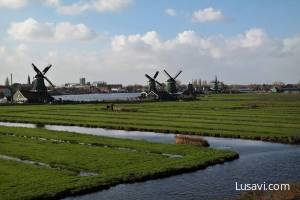
I Paesi Bassi sono situati nell’Europa nord-occidentale, confinano con Belgio e Germania e si affacciano sul Mare del Nord. Il territorio è per lo più pianeggiante, caratterizzato da dighe, canali e mulini a vento, e circa un terzo del paese si trova sotto il livello del mare. La capitale è Amsterdam, mentre altre città importanti includono Rotterdam, L’Aia e Utrecht.
La lingua ufficiale è l’olandese e la moneta utilizzata è l’euro. I Paesi Bassi sono una monarchia costituzionale e fanno parte dell’Unione Europea, nota per il suo alto standard di vita e infrastrutture moderne.
Storia e cultura
Il paese ha una storia ricca, dalle Repubbliche del XVII secolo, periodo d’oro dell’arte e del commercio, fino alla Seconda Guerra Mondiale. È famoso per pittori come Rembrandt e Vincent van Gogh, e per la cultura dei tulipani e dei mulini a vento.
La cultura olandese è nota per la tolleranza, il rispetto per l’ambiente e la bicicletta come principale mezzo di trasporto. I Paesi Bassi hanno inoltre una forte tradizione musicale e teatrale, con numerosi festival durante tutto l’anno.
Regole stradali e trasporti
- Si guida sul lato destro della strada.
- Le cinture di sicurezza sono obbligatorie per tutti i passeggeri.
- Limiti di velocità: 50 km/h in città, 80 km/h su strade extraurbane, 100-130 km/h in autostrada.
- Il tasso alcolemico massimo consentito è 0,5 g/l (0,2 per i neopatentati).
- Le biciclette hanno priorità sulle piste ciclabili; attenzione ai ciclisti in città.
- Il trasporto pubblico è efficiente: treni, tram, autobus e metropolitane collegano tutte le principali città.
Cosa vedere
Amsterdam
La capitale è famosa per i suoi canali, i musei e la vita culturale. Tra le attrazioni principali: il Rijksmuseum, il Van Gogh Museum, la Casa di Anna Frank e il quartiere Jordaan.
Rotterdam
Rotterdam è il centro moderno del paese, nota per l’architettura innovativa, il porto più grande d’Europa e luoghi come Markthal e le Cubical Houses.
L’Aia
L’Aia ospita il governo, la Corte Internazionale di Giustizia e importanti musei come Gemeentemuseum. La vicina spiaggia di Scheveningen è perfetta per relax e sport acquatici.
Utrecht
Città universitaria affascinante, con canali a due livelli, torri storiche e una vivace vita notturna. Il Domtoren è il simbolo della città.
Paesaggi naturali e villaggi tradizionali
Per ammirare i tulipani, visitare il Keukenhof in primavera. I mulini a vento di Kinderdijk rappresentano la tradizione ingegneristica olandese. Villaggi pittoreschi come Giethoorn, noto come “la Venezia del Nord”, offrono esperienze uniche.
Cosa mangiare
- Stroopwafel: cialda dolce con sciroppo al caramello.
- Poffertjes: mini pancake soffici serviti con burro e zucchero a velo.
- Haring: aringa cruda servita con cipolle e cetriolini.
- Bitterballen: polpette fritte ripiene di ragù.
- Formaggi tipici: Gouda, Edam e Leyden.
- Piatti tradizionali: stamppot (purè con verdure e salsiccia) e erwtensoep (zuppa di piselli).
Quando visitarli
Il periodo migliore è primavera (aprile-giugno) per i tulipani e il clima mite. L’estate (luglio-agosto) è ideale per festival e attività all’aperto. L’autunno offre colori caldi e meno turisti, mentre l’inverno (dicembre-febbraio) è freddo ma suggestivo, con mercatini natalizi e pattinaggio su ghiaccio.
Consigli pratici
- Portare sempre una giacca leggera o impermeabile: il clima può essere variabile.
- Acquistare una OV-chipkaart per utilizzare facilmente treni, tram e autobus.
- Le biciclette sono il mezzo migliore per esplorare città e campagne.
- Prenotare musei e attrazioni principali in anticipo, specialmente ad Amsterdam.
Conclusione
I Paesi Bassi combinano storia, cultura, natura e modernità in un mix unico. Dalle città cosmopolite ai villaggi pittoreschi, dai musei di fama mondiale ai paesaggi naturali, ogni viaggio nei Paesi Bassi è un’esperienza indimenticabile.