
Traveling in Slovakia: a complete guide to cities, nature, and practical tips
Slovakia is a European destination still relatively undiscovered by mass tourism, yet surprisingly rich in castles, medieval towns, spectacular mountains, and authentic culinary traditions. It is perfect for a road trip, a long weekend, or a holiday combining nature and culture.
General information
- Currency: Euro (€)
- Language: Slovak (English widely spoken in tourist areas and among younger people)
- Time zone: CET
- Documents: Valid ID card or passport
- Safety: Generally a very safe country even in larger cities
- Electricity: 230V, Type C and E plugs
Driving rules in Slovakia
If you are traveling by car, Slovakia is easy to explore but requires attention to a few specific rules.
- Mandatory electronic highway vignette
- Urban speed limit: 50 km/h
- Rural roads: 90 km/h
- Highways: 130 km/h
- Headlights must be on at all times
- Zero tolerance for drunk driving
- Seat belts required for all passengers
- Child seats are mandatory for children
When to visit Slovakia
The climate is continental, with cold winters and pleasant summers.
- Spring (April–June): ideal for cities and blooming nature
- Summer (July–August): perfect for mountains and lakes, but more touristy
- Autumn (September–October): beautiful colors and fewer crowds
- Winter (December–February): skiing in the High Tatras and Christmas markets
Main cities and things to see
Bratislava
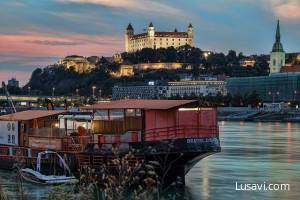
The capital : is a compact city, perfect for exploring on foot. It lies on the Danube River and offers a mix of medieval history and modern architecture.
- Bratislava Castle
- Old Town (Staré Mesto)
- Michael’s Gate
- Devín Castle
Košice
is the second-largest city in the country, with an elegant historic center and a strong cultural identity.
- St. Elisabeth Cathedral
- Main street Hlavná ulica
- State Theatre
High Tatras
The mountains of the : are the natural heart of the country. They offer hiking, skiing, alpine lakes, and breathtaking scenery.
Other must-visit destinations
- Bojnice: fairytale castle, one of the most beautiful in Europe
- Orava: medieval castles and rural landscapes
- Žilina: strategic city near the mountains
- Banská Štiavnica: UNESCO historic mining town
What to eat in Slovakia
Slovak cuisine is hearty and traditional, perfect for colder climates.
- Bryndzové halušky: potato dumplings with sheep cheese and bacon
- Kapustnica: sauerkraut and smoked meat soup
- Slovak goulash: thick and flavorful meat stew
- Pirohy: stuffed dumplings (sweet or savory)
- Trdelník: grilled pastry with sugar and cinnamon
- Schnitzel: breaded cutlet similar to Austrian style
Transport and getting around
- Affordable but relatively slow train network
- Frequent buses between cities and towns
- Car rental recommended for the High Tatras and rural areas
- Bratislava is well connected with Vienna and Budapest
Travel costs
Slovakia is generally more affordable than Western Europe.
- Average meal: €8–15
- Hotel: €40–100 per night
- Public transport: very cheap
- Attractions: often free or under €10
Practical tips
- Bring comfortable shoes for hiking and city walking
- Check mountain weather frequently (it changes quickly)
- Carry some cash for rural areas
- Be aware of limited opening hours in small towns
Conclusion
Slovakia is an ideal destination for travelers looking for an authentic, affordable, and nature-rich experience. In just a few days, you can combine historic cities, spectacular mountains, and fairytale castles, making it perfect for both short trips and longer itineraries.